

Introduction
The soul of a nation often resides not in written texts, but in the spoken word—the stories, poems, and songs passed down through generations. For the UAE, this rich repository of oral folklore faced an existential threat with the dawn of the digital age and the passing of elder storytellers. Recognizing this, the nation has embarked on a comprehensive and visionary mission to capture these fading echoes, ensuring that the wisdom and imagination of the past remain a living voice for the future.
History
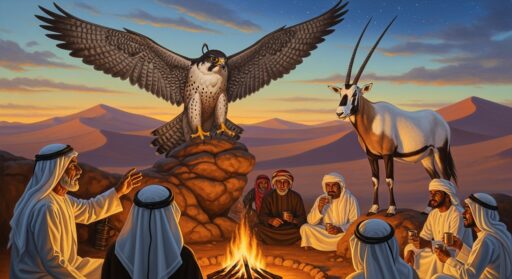
For millennia, Emirati heritage was preserved exclusively through oral transmission. In the majlis, around campfires, and on pearling dhows, elders would recite epic tales, poetic verses, and historical narratives from memory. This was a living, dynamic tradition, with each storyteller adding their own flair. However, the rapid urbanization and social transformation following the discovery of oil disrupted this chain. The younger generation, immersed in formal education and global media, had less exposure to these oral sessions, risking the permanent loss of an intangible cultural treasure.
Key Features
The UAE’s preservation strategy is multi-faceted and robust, involving:
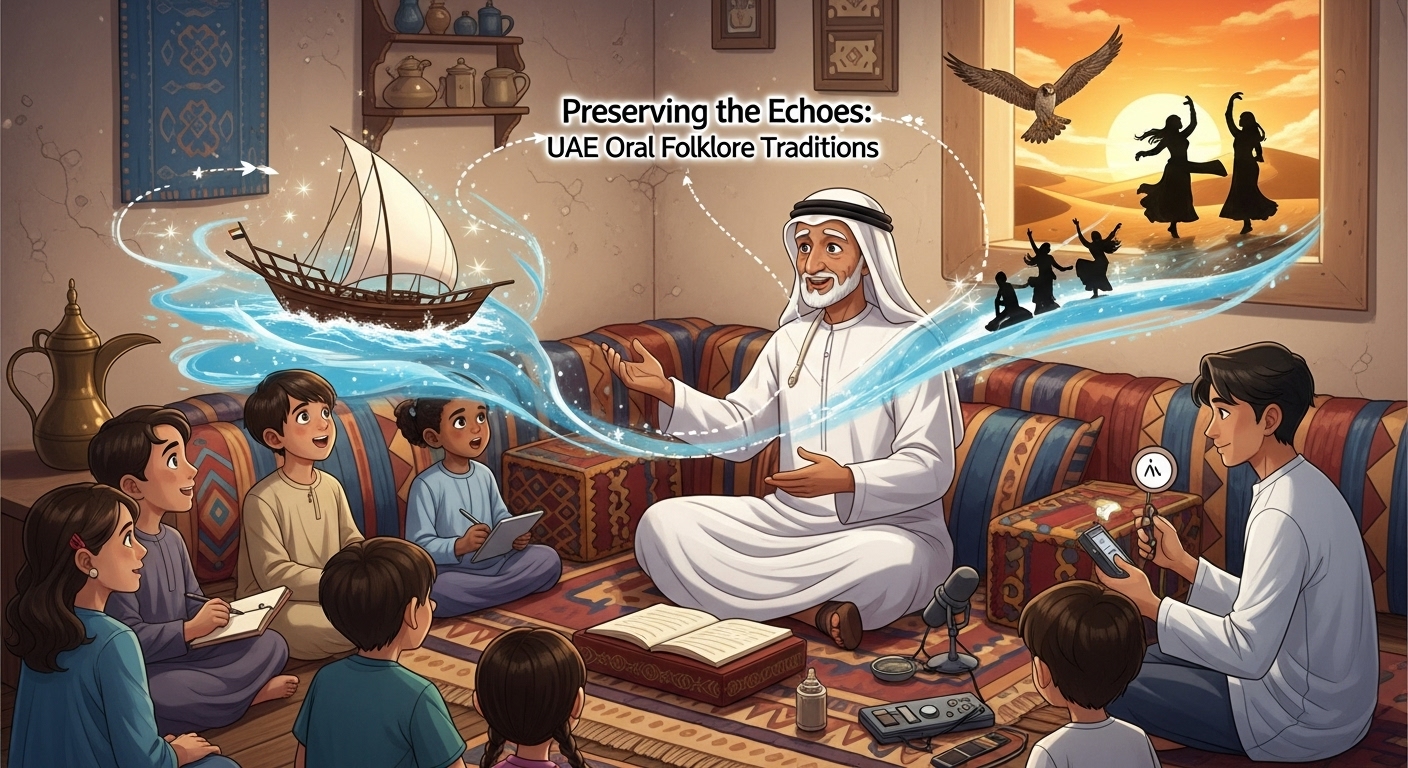
- Systematic Documentation: Teams of researchers and anthropologists from institutions like the UAE Oral History Project and the Abu Dhabi Cultural Foundation conduct audio and video interviews with the last generation of traditional storytellers and elders, creating a digital and physical archive.
- Academic Integration: Universities now offer courses and conduct research on Emirati folklore, analyzing its themes, structures, and historical context, thus legitimizing it as a field of academic study.
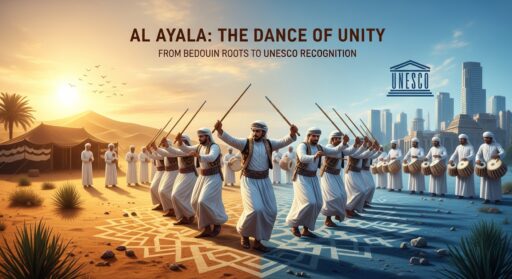
- Festivals and Public Performances: Annual heritage festivals, such as the Qasr Al Hosn Festival and the Sheikh Zayed Heritage Festival, feature dedicated stages for traditional storytellers (Al-Hakawati), ensuring public exposure and appreciation.
- Digital Archiving and Media: Folklore databases are being created online, and animated series, podcasts, and children’s books are being produced based on traditional tales, using modern media to deliver ancient stories.
- Community Workshops: Programs that encourage grandparents to share stories with grandchildren in community centers and libraries, fostering intergenerational dialogue and direct transmission.
Cultural Significance
This preservation effort is critically important because oral folklore is the unofficial history of the Emirati people. It contains invaluable data about social structures, values, environmental knowledge, and historical events that are not found in official records. Saving these stories is tantamount to saving the collective memory and cultural identity of the nation. It provides a sense of continuity and roots for a generation navigating a hyper-modern world, offering a narrative compass grounded in ancestral wisdom.
Modern Relevance
The impact of these efforts is already evident. Animated films based on folktales are popular among Emirati children. Characters from folklore are used in public awareness campaigns, making them relatable. The work of preservation has also sparked a creative revival, with contemporary artists, playwrights, and filmmakers drawing inspiration from these old tales to create new works that comment on modern life, proving the timeless relevance of these narratives.
Conclusion
The UAE’s mission to preserve its oral folklore is a race against time, but it is one the nation is committed to winning. By leveraging technology, academia, and public policy, the UAE is not simply storing old recordings in an archive; it is re-animating its folklore for the 21st century. In doing so, the nation ensures that the voices of its ancestors will continue to whisper, speak, and sing to generations to come, keeping the cultural heartbeat of the past alive in the present.